How Much Is a Pool Heater?
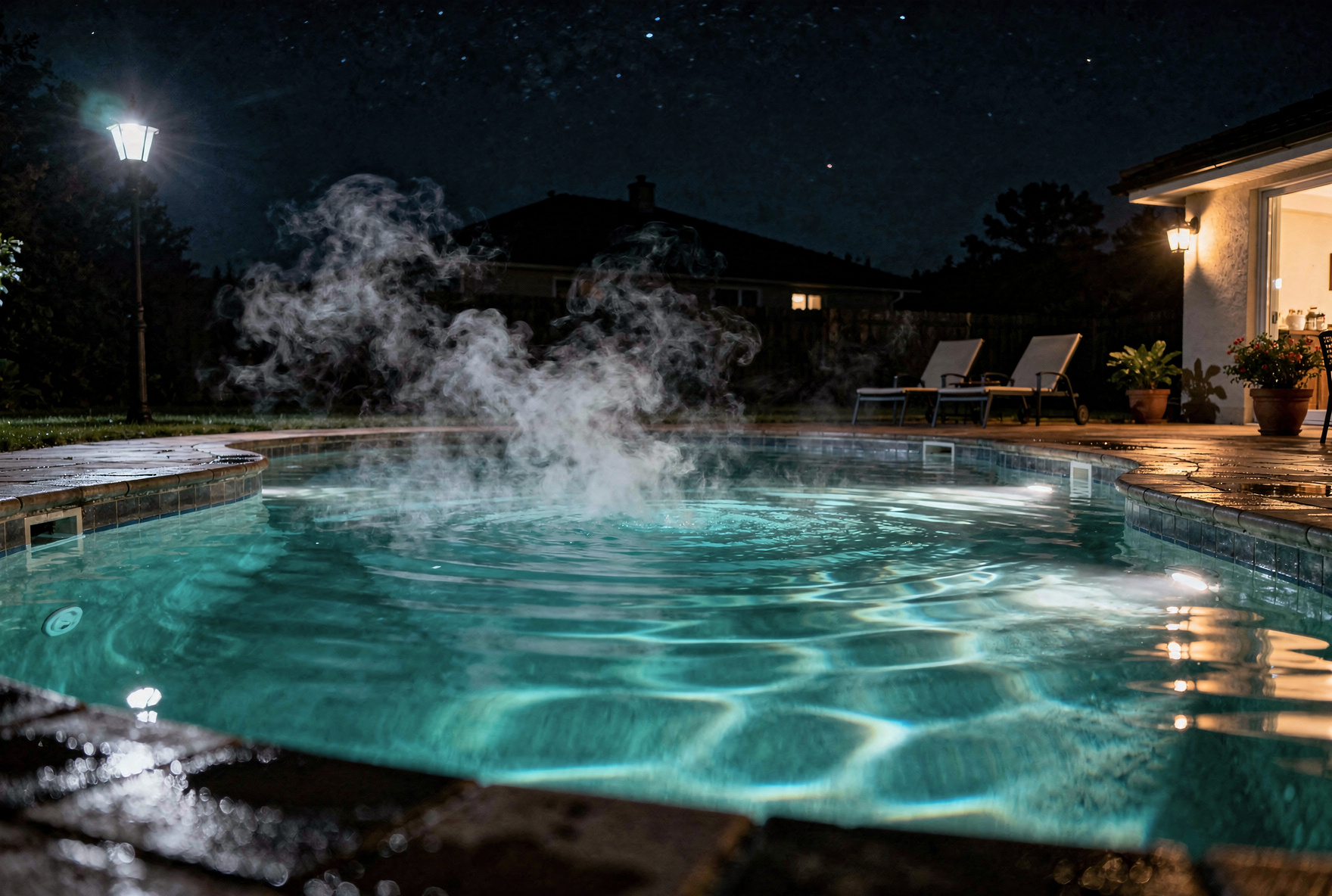
A pool heater can cost you anywhere from $1,000 up to $12,000 installed, depending on the type. Gas heaters average between $1,500 and $6,000. Electric heat pumps run $2,500 to $8,500. If you’re eyeing solar, you’ll pay $1,500 to $12,000.
That’s just the start though. Monthly heating bills range from almost nothing with solar to over $800 with gas during peak season.
This guide gives you all the details on buying, installing, and running a pool heater, so there are no unexpected costs for heating your pool.
How Much Does a Pool Heater Cost?
Your pool’s size is the biggest factor. Larger pools need bigger heaters, which means higher up-front and operating costs. Heater size is measured in BTUs, which tells you how fast it warms the water. Here’s a quick breakdown:
- Small pools (around 10,000 gallons/40,000 litres): 50,000-75,000 BTUs
- Medium pools: 90,000-120,000 BTUs
Bigger heaters cost more to buy and run, so don’t oversize if you don’t need to.
Installation complexity matters too. Need a new gas line? Plan for $500 to $2,500. Electrical upgrades for heat pumps usually cost $800 to $2,000. Don’t forget permits and inspections. These add $150 to $400.
Your weather plays a big part. Gas heaters are great in cold places but chew through fuel. Heat pumps are awesome in mild weather, but not below 50°F/10°C. Solar heaters need steady sunshine or they underperform.
Fuel in your area also affects your decision. Natural gas tends to be cheaper than propane. Electricity rates move all over the place, so check your local numbers before picking a heat pump.
Pool Heater Types
Three main types of heaters rule the pool world. Each has its own style, benefits, and loads to consider. Pick what fits your life and climate best.
Gas Pool Heaters
Looking for speed? Gas heaters warm your pool fastest, whether you use natural gas or propane. These are the best choice if you want quick warmth, especially for surprise pool parties or chillier climates.
- Equipment: $3,000-$6,000
- Installation: $300-$1,000
- Total installed: $4,000-$7,000
Gas heaters are pricier to run. Monthly fuel costs run $200 to $400, and some owners see bills as high as $800 during heavy use. Lifespan is only 5 to 10 years. The upside? You’ll go from cool to warm in just a few hours. That’s hard to beat if you want your pool warm on demand.
Electric Heat Pumps
Heat pumps don’t create heat. They pull warmth from the air and move it to your pool. In mild climates, this efficiency cuts energy use way down.
- Equipment: $2,000-$5,000
- Installation: $300-$1,000
- Total installed: $2,500-$8,500
Operating costs are lower than gas. Most pay $50 to $200 per month, though cold snaps can push it up to $400. Expect 10 to 20 years of use. Heat pumps work slower, warming your pool over days, not hours. If temps dip around 50°F/10°C or lower, efficiency drops and costs climb. Stick with this type in places where winters are mild.
Solar Pool Heaters
Solar is the green queen for pools. Roof panels grab sunshine and heat your pool for nearly nothing each month. If you’ve got sun, this can be a dreamy long-term pick.
- Equipment: $1,000-$2,000 for panels and wiring
- Installation: Around $1,000
- Total installed: $1,500-$12,000
Once you pay for the panels, running costs barely register. You’ll spend $0 to $10 per month, mostly to run the water pump. Solar heaters often last 15 to 20 years. Downside? You need reliable sun. Cloud cover or shade means no go, and it takes a few days to warm up your pool.
Long-Term Costs and Upkeep
Energy Costs
- Gas heaters can burn $300 to $800 each month in heating season if you run them regularly.
- Heat pumps usually cost $50 to $400 monthly.
- Solar is practically free after installation.
Maintenance Costs
Maintenance is a must. You’ll spend $150 to $300 each year on cleaning, tune-ups, and inspections. Skipping this stuff means trouble later on and bigger repair bills.
Here’s what to expect for repairs and replacements:
- Common repairs: $300 to $800
- Major repair (like replacing the heat exchanger): Up to $2,000
Lifespan
Lifespan is a huge deal when you're choosing a heater. You want to know exactly how many swim seasons you'll get for your money before you have to worry about a replacement.
Here is the insider scoop on how long each type actually lasts:
- Gas heater lifespan: 5 to 10 years. These units live fast and die young because of the intense combustion heat they generate. The internal metal parts eventually corrode from the harsh combination of fire and pool chemicals.
- Heat pump lifespan: 10 to 20 years. You get a lot more mileage here because they don't burn fuel to create warmth. Most modern pumps use titanium heat exchangers that act as a tough shield against water damage and rust.
- Solar heater lifespan: 15 to 20 years. These are the marathon runners of the group due to their incredibly simple design. They have very few moving parts to break or wear out, so they keep running as long as the sun shines.
How to Lower Your Pool Heating Bill
You can cut your pool heating bill in half or better with a few easy tricks:
- Use a pool cover. Covers stop heat loss from evaporation. Solar blankets cost less than $100 and can save up to 50% on heating.
- Lower the temp. If you drop your target by a few degrees, say, from 85°F to 80°F (30°C to 25°C), your energy use goes way down but swims still feel comfy.
- Run the heater off-peak. If you pay time-of-use electric rates, run your heat pump overnight or mid-day for real savings.
- Keep up on maintenance. Clean filters, check pumps, and regular tune-ups keep things running smoothly and efficiently.
- Add windbreaks and use landscaping. Fences, hedges, and shrubs around your pool cut wind and heat loss, making each degree of warmth last longer.
Turn Your Pool Heat Into Extra Cash with Swimply
Heating your pool costs money, but you don't have to pay it alone. With Swimply, you can rent your pool by the hour and earn back your heating costs (and then some.)
- You decide the rates and schedule. Most people charge $45-$90 an hour. Some even cover their entire heating bill from bookings alone.
- Heated pools are seriously popular. Guests love a pool at 80°F or warmer, so you can charge more when it’s cold out. Add heating as a premium or bake it into your base price.
Some hosts rent out their pool just a few times a week and cover all their bills. If you go all in, you could even turn a tidy profit. You’re not just sharing your space, you’re helping your community enjoy private swims year-round.
One Portland host heats his pool to 90°F (30°C) and keeps fully booked all year. His bookings more than pay for the extra heat.
Ready for Warm Pool Swims All Year?
Now you know the real numbers on pool heater costs. Gas is speedy but gets pricey to run. Heat pumps hit the sweet spot in moderate climates, while solar is the budget win long-term where the sun shines lots.
Pick your heater based on your weather, pool size, and how you want to use it. Factor in all costs, from installation to monthly bills and maintenance. Use covers, tweak your temperature, and don’t skimp on maintenance.
If you want your pool to pay for itself, hosting with Swimply turns heat from an expense into income. Become a host and heat your pool for free.