How Much Does it Cost to Resurface a Pool?
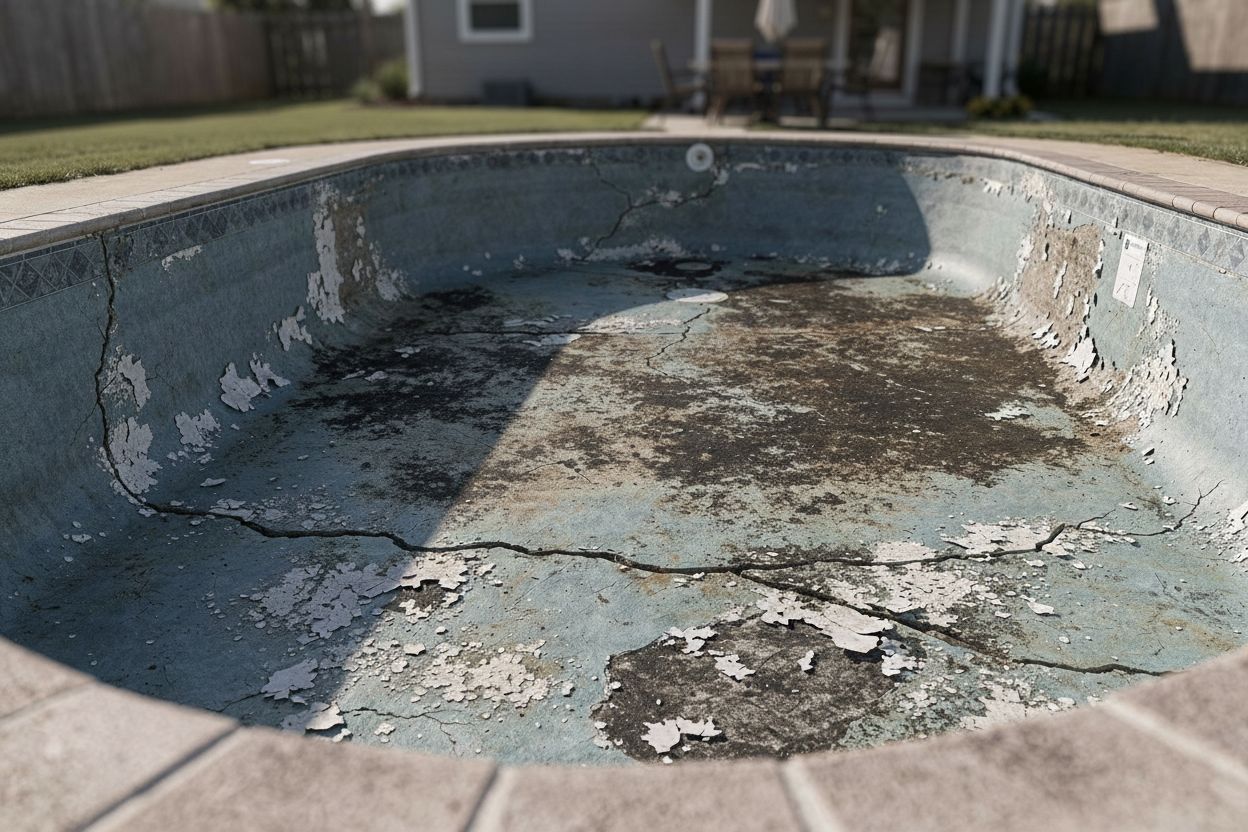
Wondering how much it really costs to resurface your pool? Most pool owners pay between $6,000 and $15,000, with the average sitting at about $11,000.
Pool size, finish material, and where you live all affect the price. Read on to learn how much resurfacing your pool should cost and how you can help pay for pool expenses like resurfacing.
What’s Involved in Pool Resurfacing?
Resurfacing is basically a facelift for your swimming pool. You chip away the old, damaged interior layer and replace it with a fresh coat of plaster, pebble, or quartz. This process seals everything up tight.
Even the best pools take a beating over the years. Harsh sun bleaches the color, and necessary chemicals slowly eat away at the finish. Plus, all those fun weekend parties add regular wear and tear.
It isn't just about looks, though keeping things pretty is a huge bonus. Resurfacing keeps your pool watertight and safe for swimmers. Here is why you should prioritize this update:
- It prevents water leaks that damage the shell.
- It stops rough texture from scraping toes and swimsuits.
- It blocks algae from hiding in cracks.
- It protects the soil support under the pool.
Pool Resurfacing Costs: The Nitty-Gritty
Expect $6,000 to $15,000 for most pools, with $11,000 as a ballpark average. If you like to run the math, it’s usually around $6.41 to $7.65 per square foot.
For example, a 16-by-32-foot pool typically costs around $3,328 to resurface if you pick standard plaster. A 20-by-40-foot pool bumps up to $5,200.
Cost by Material
Not all pool resurfacing jobs cost the same. The material you choose is the biggest factor, with different finishes coming in at very different price points:
- Paint: $1,000 to $2,000 for 1,000 square feet, lasts 5-7 years. Paint is the cheapest choice but also has the shortest lifespan,
- Plaster: $6,000 to $8,000, lasts 7-12 years. Standard plaster is a common choice for being budget-friendly but needs to be redone sooner.
- Quartz plaster: The cost is a little more expensive than regular plaster, but it resists stains better.
- Pebble: $7,000 to $15,000, lasts 15-20 years or more. Pebble finishes give more texture, helping to prevent slips and falls. The textured surface also lasts longer. Pebble and aggregate blends are right in the middle for price and durability.
- Tile: over $30,000, longest lifespan. Tile looks fancy but comes with the biggest price tag.
Other considerations:
- Labor rates change a lot by region. You might see prices from $6 to $10 per square foot just based on where you are.
- There are hidden costs too like draining, cleaning, fixing any surprise damage, or replacing tiles and coping around the edge.
Always ask for a detailed quote. Make sure it breaks out labor, materials, and any extras. It helps you compare costs and avoid nasty surprises later.
Is It Time to Resurface?
Don’t wait for a disaster. Look out for these signals your pool’s ready for a new surface:
- Surface feels rough, cracked, or stained
- Rough texture underfoot
- Cracks and persistent leaks that need constant refilling
- Stains that don’t scrub away
Most concrete pools need resurfacing every 10 to 15 years. If your pool’s getting up there and showing any of these signs, don’t put things off.
Your Pool Resurfacing Budget: Easy Tips
Once you decide it's time to resurface your pool, here are a few things to keep in mind when looking for a contractor:
- Always get several quotes. Three to five quotes let you know what’s fair in your area.
- Set aside 10-20% extra for surprises. Sometimes contractors find underlying issues after draining.
- Think about longevity. A finish that lasts 15 years is often cheaper over time than going cheap and redoing it in five.
- Plan ahead. Most resurfacing jobs take 1 to 2 weeks. Try to schedule during your off-season to dodge disruption.
How to Care for Your New Surface
Resurfacing is a costly job, so you want to get the most out of your new pool. To keep your pool surface lasting as long as possible, make sure you:
- Balance your water, brush the pool, and keep your filters clean.
- For the first two weeks, brush it down at least twice a day with a soft brush. That stops dust and scaling from settling on your new finish.
- Test and adjust pH, alkalinity, and calcium every week. Bad water chemistry can damage your surface quickly.
- Run your filter as recommended and clean or backwash it frequently.
Resurfacing Woes? Let Swimply Help
The good news is you don’t have to foot the whole bill yourself. Renting your pool on Swimply can offset those big costs. Swimply lets you rent out your pool by the hour.
- You keep 70 to 80% of your earnings.
- Most hosts charge $45 to $90 an hour.
Host for just 10 hours a month at $60 an hour and you’ll make $600. That’s $7,200 a year—hello, resurfacing fund!
One Portland host heats his pool to 90 degrees and keeps fully booked all year. His bookings more than pay for the extra heat. You can totally use the same strategy to handle resurfacing expenses.
- Swimply pays you automatically after each booking. The money shows up fast, usually in 3 to 7 days.
- You set your own rules, schedule, and can pick who gets in the water.
Show off your beautiful, resurfaced pool to guests! Crystal clear water says you care and helps make your listing stand out. A smooth new finish is always impressive.
Have Your Pool Resurfacing Pay for Itself
Resurfacing costs $6,000 to $15,000, depending on your pool’s size, materials, and location. Yes, it’s a big investment, but it keeps your pool safe, beautiful, and fun for years.
You don’t have to pay for everything out of pocket. Host on Swimply to build up your resurfacing budget and make your pool pay for itself.
Check out Swimply's hosting program and see how fast you can transform your pool from a household expense to an income earner.