How Long Do Pool Pumps Last?
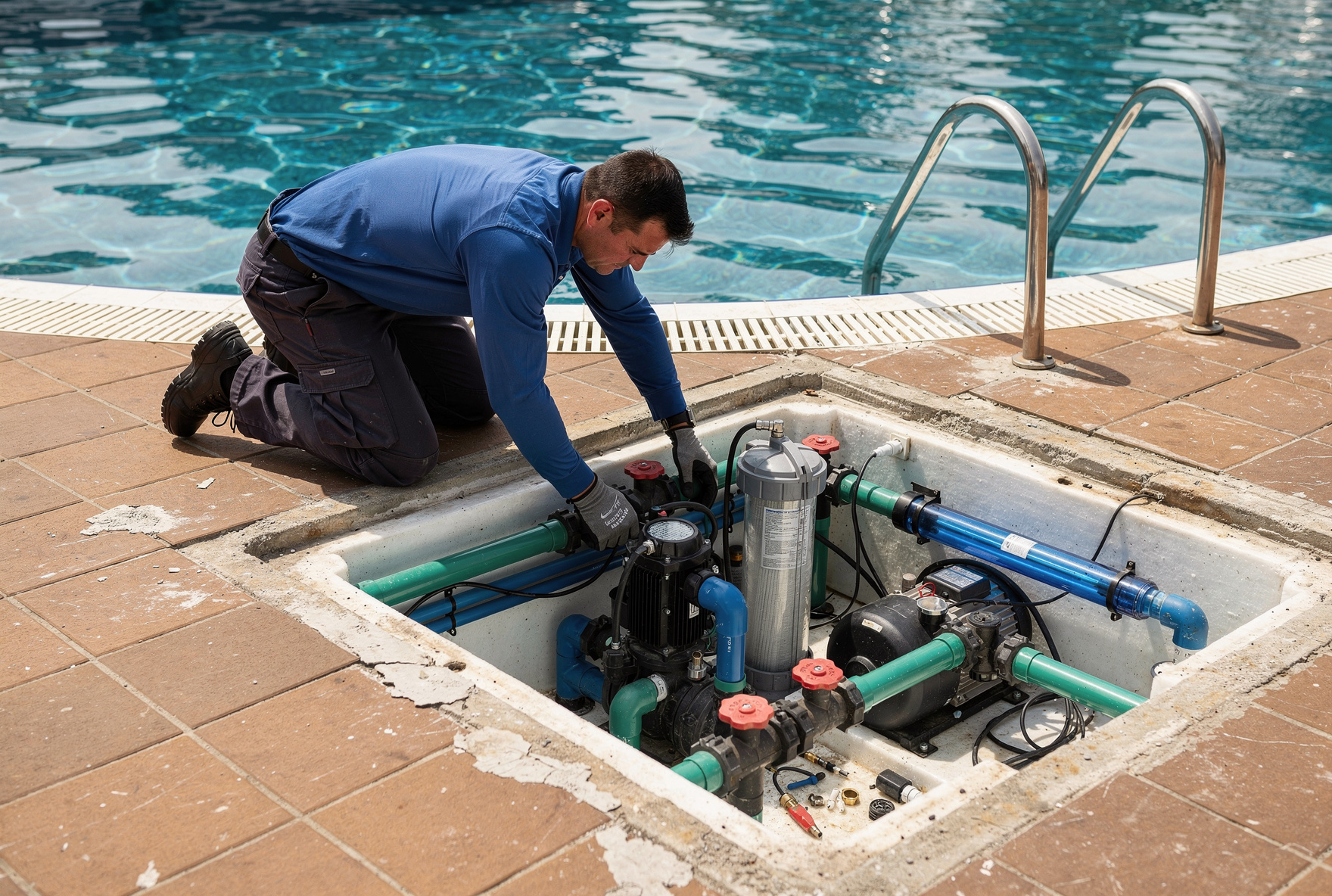
Most pool pumps go strong for 8-15 years. But how you treat them plays a huge role. Climate, daily run time, and the kind of pump you pick all matter.
Learn how to maintain your pool pump so it lasts as long as possible. Plus, how to know when it's time for a new pool pump.
What Is a Pool Pump and Why It Matters
You can think of a pool pump as the heart of your swimming pool’s plumbing system. It creates the flow that keeps your water fresh, clear, and perfectly swimmable. Without it, you’d essentially have a stagnant pond in your backyard.
This piece of equipment works by circulating water continuously to remove debris and mix your sanitizing chemicals. Here is exactly how the cycle works:
- The electric motor spins an impeller at high velocity to create a vacuum.
- This strong suction pulls water in from the pool through the skimmers and main drain.
- Water passes through a strainer basket first, which catches big debris like leaves or hair to protect the pump.
- The pump pushes the water forcefully through the filter to trap tiny dirt particles, oils, and bacteria.
- Finally, the sparkling clean water shoots back into the pool through the return jets.
It’s a simple loop that makes a huge difference. By keeping the water moving, the pump ensures you don't end up with algae buildup or cloudy spots. Without it, debris settles and bacteria thrive.
Pool Pump Lifespan
So, how long do pool pumps last? You’ll usually get 8-12 years, sometimes up to 15, with a little love. But a few things change up that number:
- Climate: Hot areas mean more pool use, so pumps are running more often. Colder places give your pump a break when pools close for winter, stretching those years out.
- Usage: Pumps running 12+ hours daily for heavy pool usage will wear out way faster than those running less.
- Quality: Cheaper pumps cost less up front, but you’ll pay more when they die early. Spend extra for a good brand and see it pay off later.
Common Causes of Early Pool Pump Failure
Pumps rarely die just from old age. Usually, something preventable gets them. Here's what you want to look out for:
- Clogged impellers: Debris sneaks past the skimmer, jams the impeller, and makes the motor burn out. This is a common issue with pool pumps.
- Electrical problems: Bad wiring or tripped breakers can fry your motor. If your pump keeps shutting off unexpectedly, this could be your problem.
- Leaks: Old seals and O-rings crack. Small drips turn big, causing corrosion or flooding. Catch these early and skip the expensive fixes.
- Dry run disasters: Water levels drop or valves close and your pump tries to run with no water. The motor overheats right away and can seize up, so always check the water line.
Maintenance Tips for a Longer-Lasting Pool Pump
You can’t stop every breakdown, but most disasters can be dodged with a few easy habits. Here’s what you should do:
- Clean the strainer basket weekly. The basket stops debris before it gets to the impeller. If it fills up, your pump works harder to push water through. Empty it every week, more often if you’ve got a lot of trees nearby or there's been a big storm.
- Check and lube O-rings monthly. Open the pump lid, look for dryness or cracks, and use silicone-based lube. Replace worn rings. A five-dollar fix can save you hundreds.
- Monitor water chemistry closely. Off-balance water eats away at pump parts. Test at least twice a week, or every day if your pool is busy. Balanced water helps everything last.
- Book a pro inspection yearly. Let a tech check the bearings and connections. They’ll spot small problems before they’re emergencies. One yearly check beats shelling out for last-minute repairs.
Spotting Signs to Repair or Replace
Even if you’re on top of maintenance, pumps don’t last forever. Knowing when to swap it out is a big money-saver. Watch for these signs of issues:
- Strange noises: Grinding or squealing probably means bearing trouble or something stuck inside. Fix early, and it’s just a small repair. or quick job to remove whatever's stuck inside. Wait too long and you’ll be replacing the entire pump.
- Leaks around the housing: Drips from worn seals can be fixed, but big leaks or steady streams mean the housing’s shot. When you see that, replacement is usually smarter.
- Weak water flow: If water barely moves and you’ve cleaned the filter and basket, the motor’s probably dying. You can replace the motor without replacing the whole system.
- Frequent breaker trips: If you've checked everything else and breakers still trip, the motor windings might be toast. In this case, it usually makes more sense to buy a new pump.
- Old age: Once you hit 10 years and see any of these symptoms, just replace it. It’ll save you money, boost efficiency, and give you peace of mind.
Pro tip: Swimply’s Guarantee doesn’t cover lost income or normal wear. Swapping out an old pump before it fails keeps your booking calendar full and stress way down.
Protect Your Investment with a Reliable Pool Pump
Your pump is the heart and soul of your pool setup. If it’s happy, you and your guests will be happy too. If a pool pump breaks, it puts your pool out of commission until it's fixed.
Thankfully, almost all pump disasters are preventable. Do the weekly basket clean, check the seals, and get a pro in once a year. You’ll keep your pump healthy for ages and avoid pricey emergencies.
Want to go pro as a Swimply host? Listing your pool on Swimply easily offsets the maintenance costs of a pool, like maintaining your pump. Learn more about how easy it is to become a host on Swimply today.