How Do You Build a Pool Deck? A Complete Guide
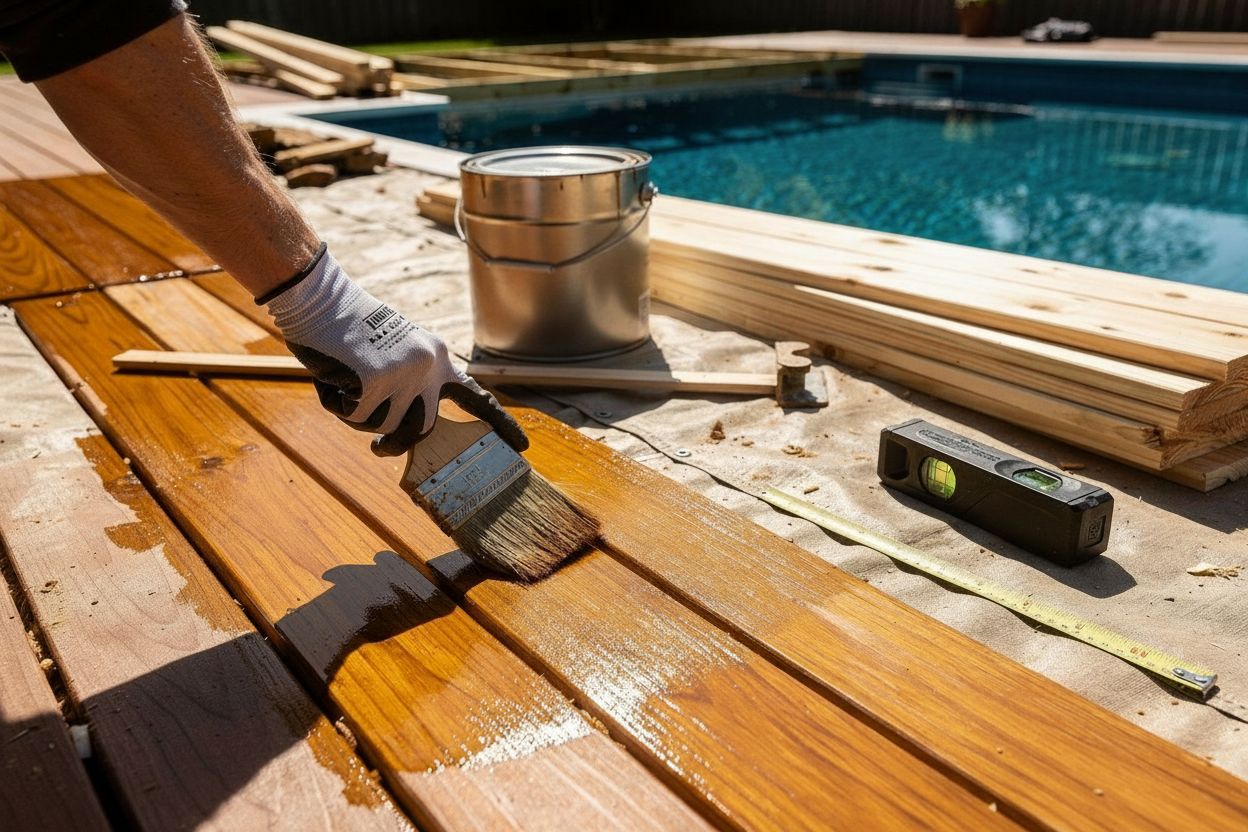
Ready to give your swimming pool a major glow up? A pool deck totally transforms your backyard into the ultimate hangout spot.
Here's what you’ll find:
- Top picks for slip-resistant and heat-resistant decking materials.
- Layout ideas that maximize space for lounging and entertaining.
- Essential styling tips to create that luxury resort vibe.
A good deck makes your pool safer and easier on the eyes. Here's how to refresh yours, step by step.
Why a Great Pool Deck Matters
- A clean, modern deck looks amazing in pictures. It helps you stand out in Swimply searches.
- Safe surfaces mean fewer worries about injuries or accidents.
- Guests love having space to lounge, eat, or hang out between swims.
If you're renting your pool on Swimply, your pool deck is front and center in every listing photo. When guests look at your space, the deck's where their eyes land. You want them to imagine relaxing, laying out towels, and hosting friends.
Swimply's photo guide suggests showcasing your main features and the areas around your pool. If your deck's attractive, you'll have no problem nailing those shots.
Here’s the real secret: no one wants to rent a spot with uneven boards, splinters, or something that feels like a safety hazard. Take pride in your deck and your guests will feel it too.
Planning: The First Step in How to Build a Pool Deck
Before you start hammering away, get your plan together. This helps you stay on budget, measure correctly, and avoid headaches with permits.
Assessing Your Space and Budget
- Measure the area around your pool carefully. Figure out how much space you're working with and how many guests you want to host.
- Bigger decks add more lounge space and amenities, but they’ll cost more to build.
- Expect to pay $25 to $50 per square foot—totaling around $12,500 for a typical project.
- Material really matters. Wood's cheaper upfront but needs more upkeep. Composite looks great for years and cuts down on maintenance, but it’ll cost you extra in the beginning.
- Think long-term. A deck that's a pain to maintain will eat into your profits and free time.
Local Regulations and Permits
- Check your local building codes for permits. It sounds boring but getting fined or having to rip out your deck later is worse.
- Cities like Rochester, Michigan and Gaylord, Minnesota require permits for pool decks and pools over a certain depth.
Research the permit requirements for decks in your area. If you're not sure, ask your city’s building department about what's required.
Choosing the Right Materials
The material you pick will affect your deck’s cost, look, and what you’ll spend on maintenance. Choose smart, and you’ll keep things simple down the line.
Wood Decking
- Wood is classic and feels cozy. Pressure-treated lumber costs $3 to $6 per square foot. It's easy on your wallet now, but you’ll have to work for that charm later.
- You'll need to seal or stain it every year or two to keep rot and splinters away. Wet wood gets slippery, so add non-slip coatings or buy grooved boards.
- It's low cost if you’re handy and don’t mind a weekend project every year.
Composite Decking
- Composite is the best for skipping maintenance. It runs $5 to $14 a square foot, but you’ll save on repairs and upkeep for years.
- A quick wash with soap and water keeps it looking fresh. No splintering, cracking, or constant staining.
- The look is less natural than wood, but you'll love the free time it gives you.
Concrete or Pavers
- Concrete and pavers give you freedom with design. You can mimic stone, tile, or set up patterns that look totally custom.
- Expect $3,000 to $12,000 for a beautiful install, depending on size and add-ons like decorative finishes.
- Concrete handles foot traffic but can crack after years of freeze-thaw. Pavers are easy to fix—just swap out one if it shifts or cracks.
- Both are great for a clean, modern vibe. Make sure the surface slopes away from the pool, so puddles don’t form where guests walk.
Starting Construction
With your plan and materials ready, here’s the fun part. These are the main steps for every material, whether you're a DIY’er or hiring help.
Site Preparation
- Clear away debris, weeds, or old decking. It’s all about starting with a fresh, level surface.
- Check for drainage issues. Water needs to flow away from your pool area or you’ll get slippery, dangerous spots.
- Dig holes for posts if you’re building a raised deck. For concrete or pavers, get the soil packed tight, then add gravel and sand layers.
Building a Sturdy Frame
- For wood and composite decks, build a solid frame with joists and beams. Space everything so it feels sturdy when guests walk across.
- Grab galvanized or stainless steel hardware. It’ll last longer without rusting.
- If using concrete, set up your forms, pour evenly, and add rebar or mesh for reinforcement. With pavers, go for a compacted base and secure edges.
Deck Surfacing and Finishing
- Install decking boards, lay your pavers, or finish that concrete. Leave little gaps for water to drain properly.
- Seal or stain wood to keep it looking sharp. Add railings and steps for safety and easy access, as local codes require.
- Double-check every surface. Make sure nothing’s slippery or rough on bare feet.
Finishing Touches That Impress Guests
You’ve built the deck. Now, make it irresistible. Small upgrades make a big difference in guest experience and in your reviews.
- Light up your deck with string lights or LED strips so guests can enjoy evenings in style. It also makes everything feel safer.
- Set up lounge chairs, tables, and shade like umbrellas or a cute pergola. Create a space that’s both inviting and practical.
- Landscaping matters. Add potted plants or shrubs but keep them away from the pool edge to cut down on leaves in the water.
- Wide-angle photos of these details really help your Swimply listing pop.
Maintenance Tips and Safety Considerations
Keeping your deck in top shape keeps guests safe and happy. Maintenance isn’t hard if you stay on top of it.
- Sweep your deck often to get rid of leaves and dirt. Hose it off or use a low-pressure washer to tackle any buildup.
- Reseal or stain wood decks every couple of years. For concrete and stone, seal every one to two years so water and stains don’t get in.
- Check for cracks, loose boards, or shifting pavers. Fix those right away before they turn into bigger problems.
- Slip resistance is huge. Look for textured surfaces or anti-slip coatings for peace of mind.
Build a Pool Deck That Enhances Your Pool for You & Your Guests
A gorgeous, comfortable deck shows guests you care. When Swimply browsers compare listings, they notice the ones with polished decks, lots of seating, and thoughtful design. Don’t just tell them your space is amazing, show them.
Add details about your deck and amenities to your listing. That way you show what makes your space unique. And when you prep for each booking, a well-maintained deck saves you time and effort.
Ready to start? Make your plan, choose your preferred material, and get building! Your guests are going to love what you create.